
Virtual Tours Sell More Than Just Houses
360 virtual tours are not just for property listings. Hotels, retail, hospitality, showrooms and commercial spaces all use immersive tours to win trust and convert online visitors.
Key Takeaways
- 360 tours work for any customer-facing premises, not only homes for sale.
- Buyers and guests explore at their own pace before committing to a visit.
- Immersive tours build trust faster than photos or video alone.
- Tours reduce wasted site visits and improve lead quality.
- The same Photoplan capture workflow scales from flats to flagship stores.
When people hear "virtual tour", most think of a property listing on Rightmove. That is where 360 technology made its name — but it is far from the only use case. Virtual tours sell more than just houses. Any business with a physical space customers need to trust before they visit can use the same immersive walkthrough format to win attention, build confidence and convert enquiries.
Why immersive tours work for any premises
The psychology is simple. Flat photos tell part of the story. A 360 virtual tour lets someone stand inside the space, look around and move from room to room at their own pace. That removes uncertainty — the biggest barrier between browsing online and making a booking, enquiry or purchase.
Estate agents discovered this first because buyers judge layout and flow online before they book a viewing. Hotels, restaurants, gyms and retail brands face the same challenge: customers want to know what they are getting before they commit time or money.
Who uses 360 tours beyond residential property?
Photoplan has captured immersive tours across a wide range of sectors. Common applications include:
- Hotels and serviced apartments — letting guests explore rooms, lobbies and amenities before booking
- Restaurants and bars — showing atmosphere, seating and private dining areas for event enquiries
- Retail and showrooms — giving online shoppers a sense of scale, layout and product presentation
- Offices and co-working space — helping tenants assess fit-out, natural light and meeting facilities remotely
- Developers and show homes — marketing schemes off-plan with walkable show units and amenity spaces
- Laboratories and specialist facilities — familiarising partners, staff or clients with complex, multi-site environments remotely
- Theatres and venues — helping audiences understand seating, sightlines and access before they buy tickets, as we did for the Apollo Victoria Theatre seating plan tour
The technology scales from a one-bedroom flat to a flagship store or multi-site corporate rollout. What changes is the story you tell through hotspots, branding and the spaces you choose to highlight.
Trust, engagement and better-quality leads
Visitors who interact with a 360 tour typically spend longer on your website and arrive at a visit or call with clearer expectations. That means:
- Fewer wasted appointments — people who book after a tour are genuinely interested
- Higher confidence — they have already "been there" online
- Stronger sharing — immersive listings and venue tours get passed around on social media, widening reach without extra ad spend
For commercial teams, that translates into better lead quality and less time explaining basics that a tour already covers.
Same technology, different marketing goals
Residential agents use tours to qualify buyers and shorten time on market. Commercial and hospitality clients use them to:
- Showcase a brand experience consistently across locations
- Support recruitment and onboarding with virtual office walkthroughs
- Reduce open-day logistics by letting audiences explore online first
- Give remote stakeholders access to a site they cannot easily visit
The capture workflow — professional equipment, careful positioning, branded hosting — is the same whether you are marketing a penthouse or a premium gym.
Property is still where tours matter most
None of this diminishes how powerful 360 tours are for estate agents. For residential and commercial property marketing, a tour remains one of the highest-impact additions to any listing — especially alongside professional property photography, floor plans and video.
If your focus is listings rather than broader commercial space, read our guide to the benefits of 360 virtual tours for estate agents for a property-specific breakdown.
The bottom line
360 virtual tours are a spatial marketing tool, not a property-only product. If your customers need to see, understand and trust a physical space before they act, an immersive tour will outperform static imagery every time.
Photoplan creates 360 virtual tours for estate agents, developers, hospitality brands and commercial clients nationwide. Get in touch to discuss your project, or book online if you are marketing a property listing.
Frequently Asked Questions

The Photoplan Team
Property Media Specialists
The Photoplan team produces property photography, floor plans, tours, video and CGI that help estate agents, developers and commercial clients market property beautifully.
Ready to market your next property?
Book a Photoplan specialist online in minutes, or get in touch to discuss account pricing for your agency.
Estate agents book through the app · One-off customers order in the shop · or contact us
Related Articles

Apollo Victoria Theatre 360 Virtual Tours — Seating Plan
Interactive 360 virtual tours let theatre-goers preview their seats and the view of the stage before they book. See how Photoplan built one for the Apollo Victoria Theatre London.
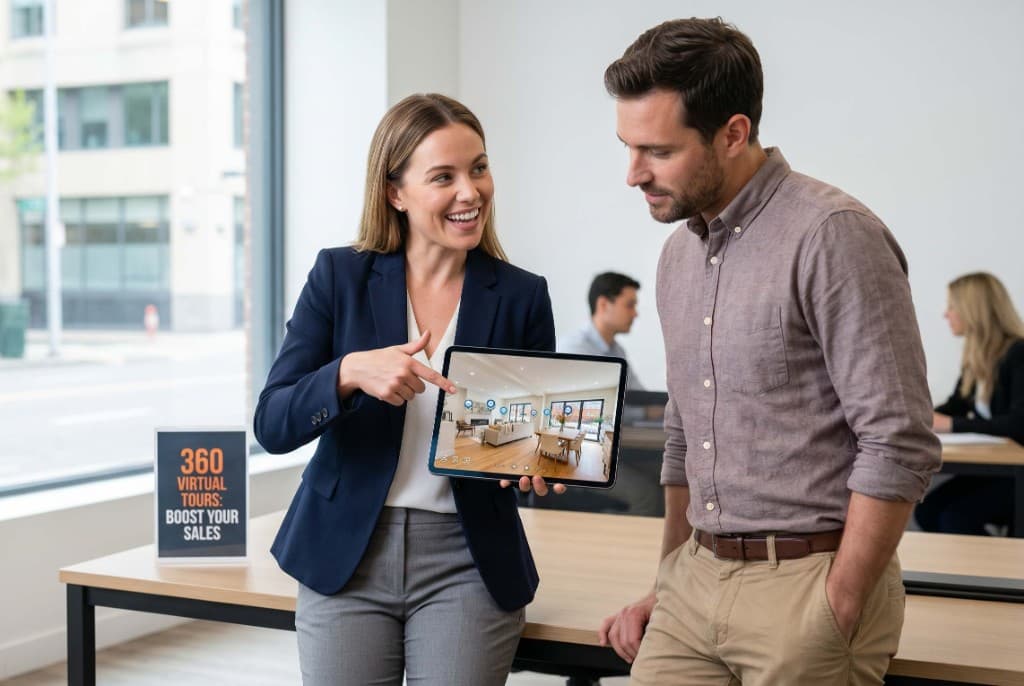
The Benefits of 360 Virtual Tours for Estate Agents
360 virtual tours let buyers explore a property from anywhere. Here is how they qualify buyers and save everyone time.
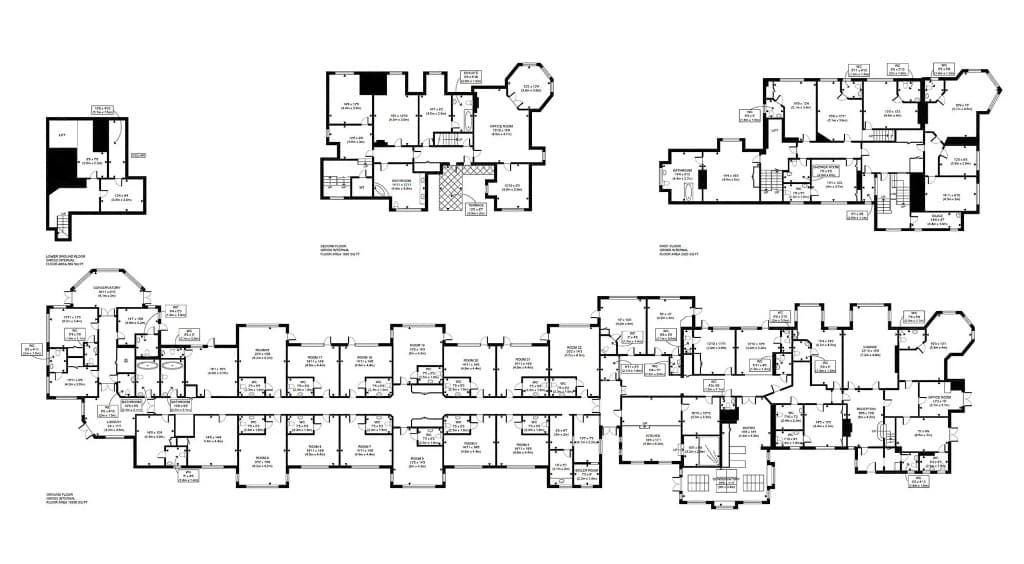
Why Every Property Listing Needs a Floor Plan (And Why Buyers Expect One)
Professional photography attracts attention, but a floor plan helps buyers understand the property. Here's why every modern listing needs one — and why buyers expect it.