
How to Photograph Small Rooms — Professional Techniques for Tight Spaces
Small rooms are among the most challenging spaces to photograph well. This guide covers the professional techniques that property photographers use to make box rooms, en-suites and compact kitchens look their best — from lens choice and camera height to lighting, composition and avoiding distortion.
Key Takeaways
- A wide-angle lens (16–24mm) is essential for small rooms but must be used carefully to avoid distortion.
- Camera height matters — chest height or slightly below generally works better than eye level in compact spaces.
- Every item left in frame competes for visual attention; ruthless decluttering before the shoot is essential.
- Off-camera flash or a speedlight bounced from the ceiling transforms dark corners and low-light rooms.
- Vertical lines (door frames, walls) must be kept straight in post-processing to avoid an amateurish look.
- [object Object]
Small rooms are disproportionately hard to photograph well. An en-suite that feels perfectly functional in person can look like a cupboard in a badly lit photograph, and a compact double bedroom photographed at the wrong height and angle will put buyers off before they have even booked a viewing. The difference between a professional result and a DIY one is rarely equipment — it is technique. This guide covers the key decisions that determine whether a small room works in the listing or undermines it.
Need professional property photography? Book a Photoplan photoshoot.
Photoplan delivers bright, HDR-edited property photography nationwide — often combined with floor plans and virtual tours in a single visit. Book online or speak to our team about agency pricing.
Lens choice and focal length
A wide-angle lens is the single most important piece of equipment for small room photography. Working with a focal length of around 16–24mm on a full-frame sensor (or 10–15mm on an APS-C crop sensor) allows you to include the whole room from a corner or doorway without stepping backwards through the wall.
The critical distinction is between a rectilinear wide-angle and a fisheye lens. Rectilinear lenses are designed to keep straight lines straight — door frames, skirting boards and window reveals will appear as genuinely straight edges in the final image. A fisheye produces dramatic barrel distortion: the walls curve outward, the room looks warped, and buyers immediately sense that something is off even if they cannot explain why. Fisheye images have no place in professional property photography.
Most professional property photographers work at 16mm or 17mm for the smallest rooms and pull back to 20–24mm for spaces that have enough floor area to allow some depth. Going wider than 16mm on a full-frame sensor starts to produce noticeable distortion even with a rectilinear lens, so there is a practical lower limit.
Camera height
Camera height is one of the most commonly overlooked variables in interior photography. The default instinct — shooting at eye level — rarely produces the best result in small spaces.
For most rooms, setting the tripod at 90–110 cm from the floor gives you a viewpoint that keeps horizontal lines genuinely parallel with the edges of the frame. This matters because property photography is meant to be an honest representation of the space, and parallel horizontal lines read as natural and trustworthy.
Shooting too high — say, at 150 cm or above — causes the floor to disappear and the room to look narrower than it is. Shooting too low makes ceilings look cavernous in a way that can appear oddly distorted. In rooms with particularly low ceilings, such as loft bedrooms or ground-floor extensions, coming down to around 75 cm keeps the full height of the room in frame without needing to tilt the camera upward.
Tilting the camera upward is the single change that will most reliably ruin a small room photograph. The moment the optical axis is no longer horizontal, vertical lines begin to converge — walls lean inward toward the top of the frame, and the room looks unstable. This can be corrected in post-processing with a lens correction and perspective transform tool, but it is far better to get it right in camera.
Composition and shooting position
In a small room, the shooting position is often fixed by the physical constraints of the space. The doorway and each corner are the usual options; the middle of the room almost never works because it produces a cramped, claustrophobic frame.
The most productive starting point is the doorway or threshold, shooting inward. This gives maximum depth — the camera is as far from the far wall as the room allows — and naturally includes the most important surfaces: the floor, the ceiling, and at least two walls. From here, the viewer gets the best sense of the room's actual size.
For en-suites in particular, a doorway shot looking toward the shower or bath is usually the most effective angle. If the room is wide enough, a corner shot can add useful context — for example, showing both the basin and the shower in a single frame. In very compact en-suites, a single doorway shot is often the honest and pragmatic choice: attempting a second angle from inside only reveals how small the room is from a less flattering perspective.
Box rooms benefit from being shot at the far corner looking back toward the door, because this angle includes the window (if there is one) and shows the full floor area in a way that suggests usable space.
Lighting small spaces
Lighting is where small room photography most often goes wrong in DIY or low-budget shoots. The default approach — opening the curtains and hoping for the best — produces images with blown-out windows and dark walls, which makes every room look smaller than it is.
Professional property photographers use one or more of the following techniques:
Off-camera flash or speedlight: A speedlight positioned just outside the doorway, bounced from the ceiling or a white card, provides soft, even fill light without the harsh shadows of a direct on-camera flash. This is the standard approach for bathrooms and en-suites where there is little natural light and reflective surfaces (tiles, mirrors) need to be managed carefully.
HDR bracketing: For rooms with a bright window and a darker interior, shooting a bracketed sequence of three to five exposures and blending them in post-processing allows both the window view and the interior to be correctly exposed. This is particularly effective in small kitchens and utility rooms where the window is a significant source of light but would otherwise appear blown out.
Continuous LED panels: Compact LED panels are increasingly popular for small room work because they allow you to see the lighting effect before you shoot. They are quieter than flash for video work and useful in tight spaces where positioning a speedlight on a stand is impractical.
Ceiling-mounted or wall-mounted light fittings should generally be switched on during a shoot, not as the primary source but as contributing light that adds warmth and presence to the image. A switched-off pendant light in the centre of a small room creates a dead spot in the frame.
Avoiding distortion
Wide-angle lenses introduce two types of distortion that need to be managed in small room photography:
Barrel distortion is the bowing of straight lines toward the edges of the frame. All wide-angle lenses produce some degree of barrel distortion, but rectilinear lenses are designed to minimise it and most camera and lens combinations can be automatically corrected using lens profiles in editing software. This correction should be applied as a matter of course.
Perspective distortion is the stretching of objects near the edges of the frame — a common symptom is a basin or toilet at the edge of an en-suite shot that appears much wider than it actually is. This is a geometric property of wide-angle lenses rather than a flaw that can be easily corrected. The practical solution is to position subjects away from the edges of the frame, or to accept that a modest degree of edge distortion is present in professional property photography and is generally understood as such by buyers.
Converging verticals — walls that lean inward — should be corrected in post-processing using a perspective correction or vertical transform tool. Leaving verticals uncorrected is one of the most common markers of an amateur property photograph.
Preparing the room before you shoot
No amount of technical skill compensates for a poorly prepared room. In small spaces, preparation is even more important than in larger rooms because every object in the frame is competing for attention in a limited area.
Before photographing any small room:
- Remove all toiletries, cleaning products, towel rails, toilet roll holders and waste bins from view in bathrooms and en-suites
- Clear all surfaces in box rooms and small bedrooms; if the room is being used as storage, items should be removed or organised before the shoot
- Close all cupboard doors and drawers
- Replace any blown or mismatched light bulbs
- Ensure the floor is clean and visible — rugs should be straightened and positioned deliberately
- Open blinds or curtains fully unless the view outside is unflattering
- Put the toilet seat down in every bathroom photograph
These are not cosmetic refinements — they fundamentally change how a room photographs. A professional photographer will often spend as long preparing a small room as they spend shooting it.
Working with professional photographers
If you are booking a professional photographer for a property listing, the difference you will see in small rooms is the accumulation of all the techniques described above: the right lens, the right height, off-camera lighting, careful preparation and post-processing corrections applied as standard. What looks like a naturally bright and spacious en-suite is typically the result of controlled lighting, a well-positioned camera and fifteen minutes of editing.
Photoplan's property photography service includes HDR editing as standard and covers the full property in a single visit, including all bedrooms, bathrooms and compact ancillary spaces that other services sometimes skip. Photography is often combined with a floor plan survey in the same appointment — see our guides section for more on what to expect from a professional shoot.
For agents and vendors working on leasehold properties, lease plans can also be produced on the same visit, giving you all three listing assets without a second appointment.
If you found this useful, you may also want to read our guides on how to photograph luxury homes and the most common property photography mistakes to avoid.
The bottom line
Small rooms reward good technique and punish shortcuts more than any other space in a property. Getting the focal length, camera height, lighting and preparation right transforms a space that buyers might otherwise scroll past into one that reads as well-proportioned, light and honestly presented. For agents and vendors who want every room in a listing to work as hard as possible, a professional photographer with the right equipment and technique is the most reliable route to that result.
Need professional property photography? Book a Photoplan photoshoot.
Photoplan delivers bright, HDR-edited property photography nationwide — often combined with floor plans and virtual tours in a single visit. Book online or speak to our team about agency pricing.
- #property photography
- #small rooms
- #wide-angle lens
- #composition
- #lighting
- #en-suite photography
- #box rooms
- #interior photography
Frequently Asked Questions

The Photoplan Team
Property Media Specialists
The Photoplan team produces property photography, floor plans, tours, video and CGI that help estate agents, developers and commercial clients market property beautifully.
Need professional property photography? Book a Photoplan photoshoot.
Photoplan delivers bright, HDR-edited property photography nationwide — often combined with floor plans and virtual tours in a single visit.
Estate agents book through the app · One-off customers order in the shop · or contact us
Related Articles
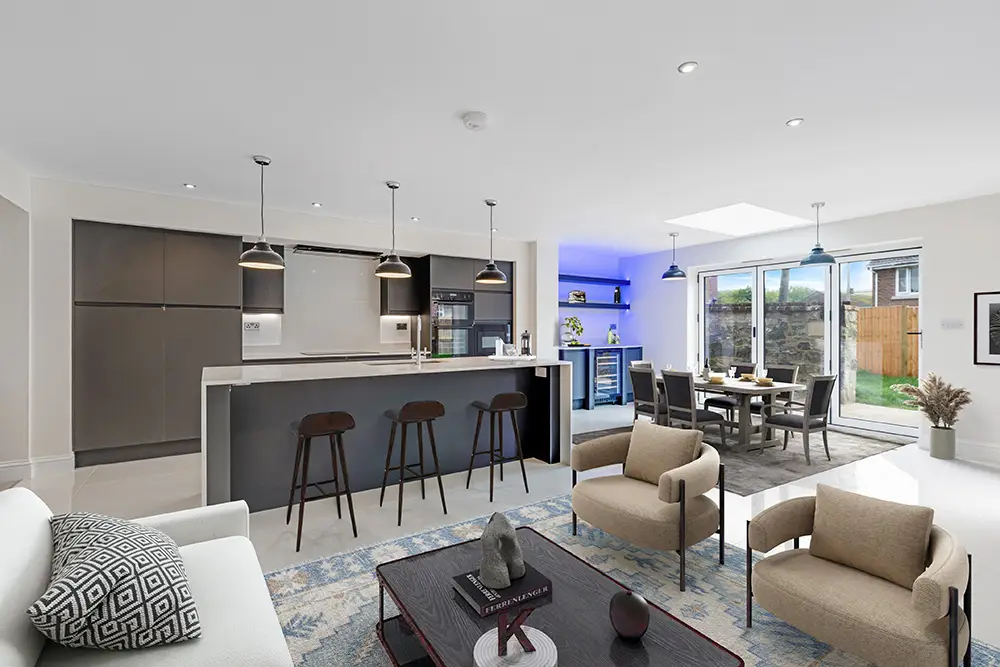
AI Image Enhancement Explained — HDR Photo, PhotoEdit and PhotoClear
HDR Photo, PhotoEdit and PhotoClear are three AI-powered image enhancement tools in the ReHub Studio suite. This guide explains what each one does, when to use it, how it improves listing photography, and how the three tools work together as a connected workflow for estate agents and property photographers.
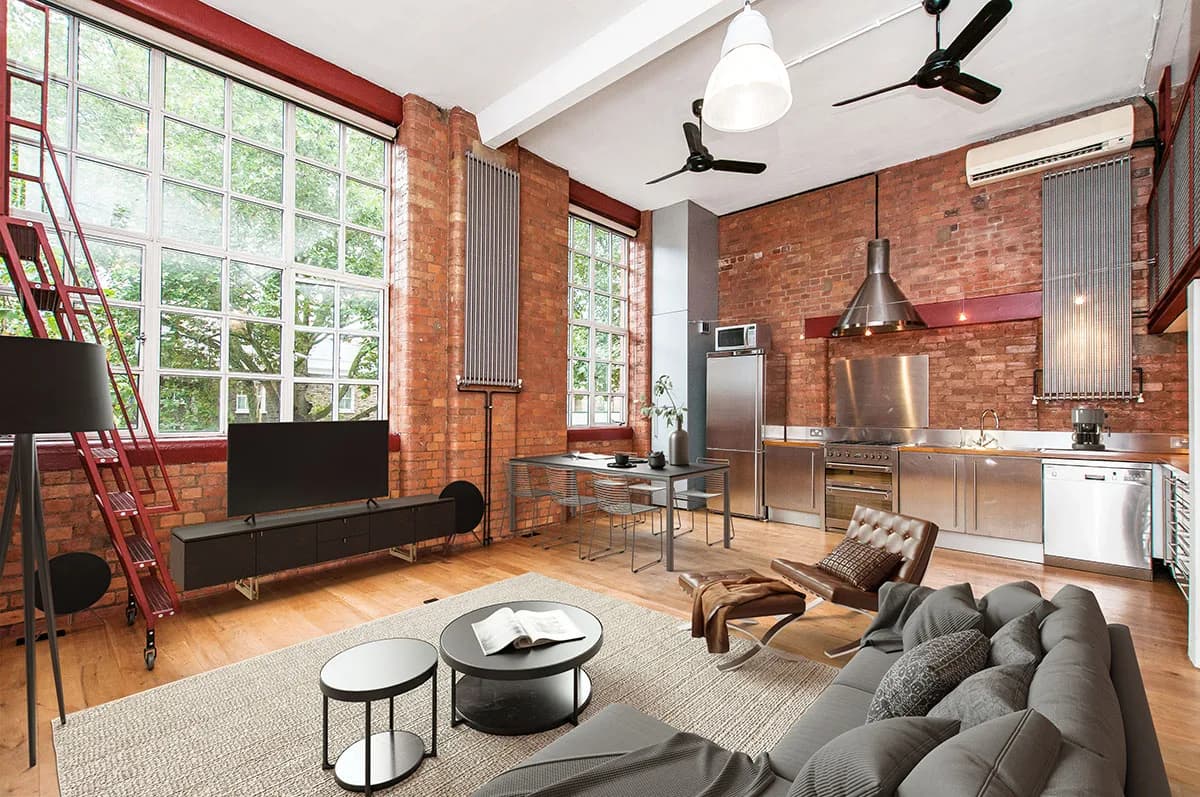
The Complete AI Property Marketing Guide — From Photoshoot to Portal
Estate agents now have access to a connected AI workflow that takes a property from photoshoot through to portal-ready listing assets in a single pipeline. This guide explains each stage — photo, declutter, stage, edit, video, twilight — and how ReHub Studio connects them.
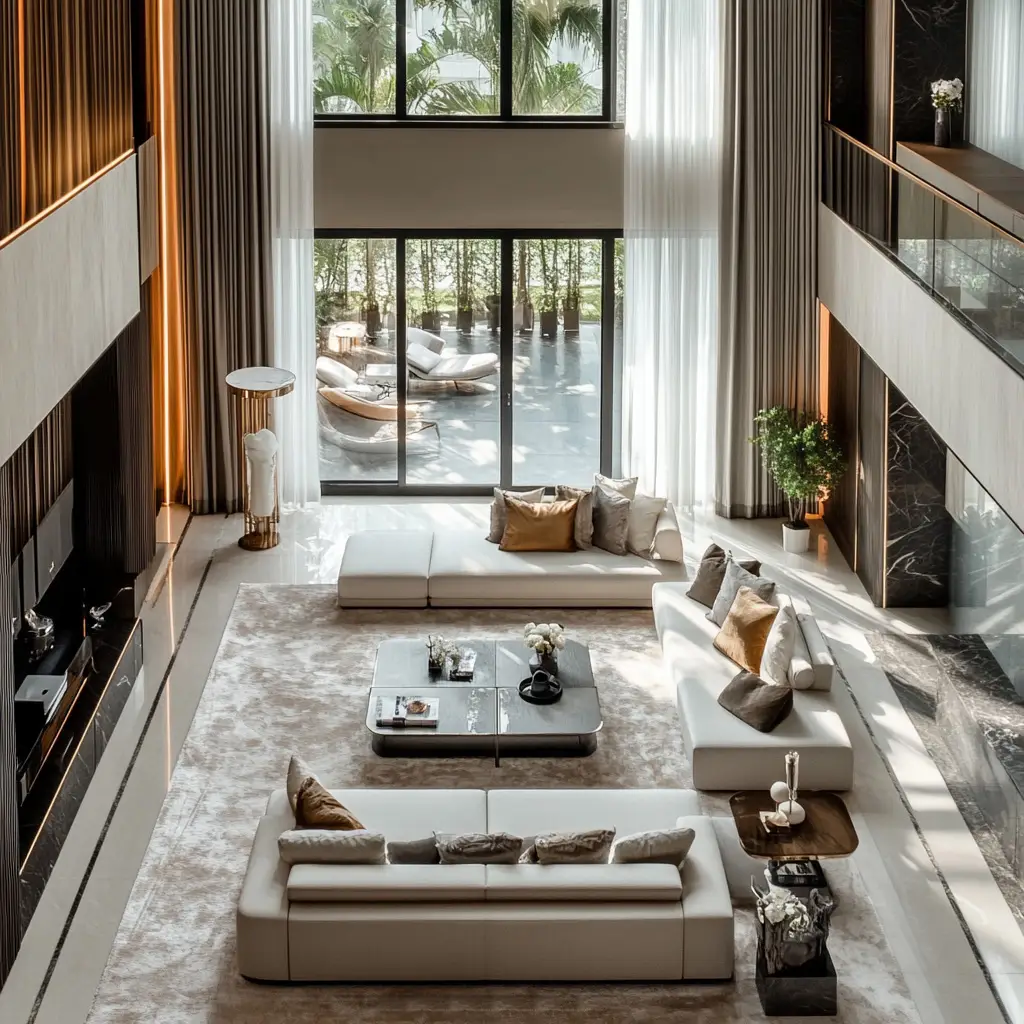
AI Property Videos Explained — How They Work and When to Use Them
AI property videos turn listing photographs into short cinematic walkthrough videos without any filming. This guide explains how the technology works, how ImageMotion compares to a traditional videographer, what portals and social media platforms support property video, and when each approach is the right choice.