
Estate Agent Photography Standards — What Good Looks Like
What separates a professional property photography standard from a mediocre one? This guide covers image count, aspect ratios, editing requirements, portal compliance, and how to build a consistent photography workflow across your agency.
Key Takeaways
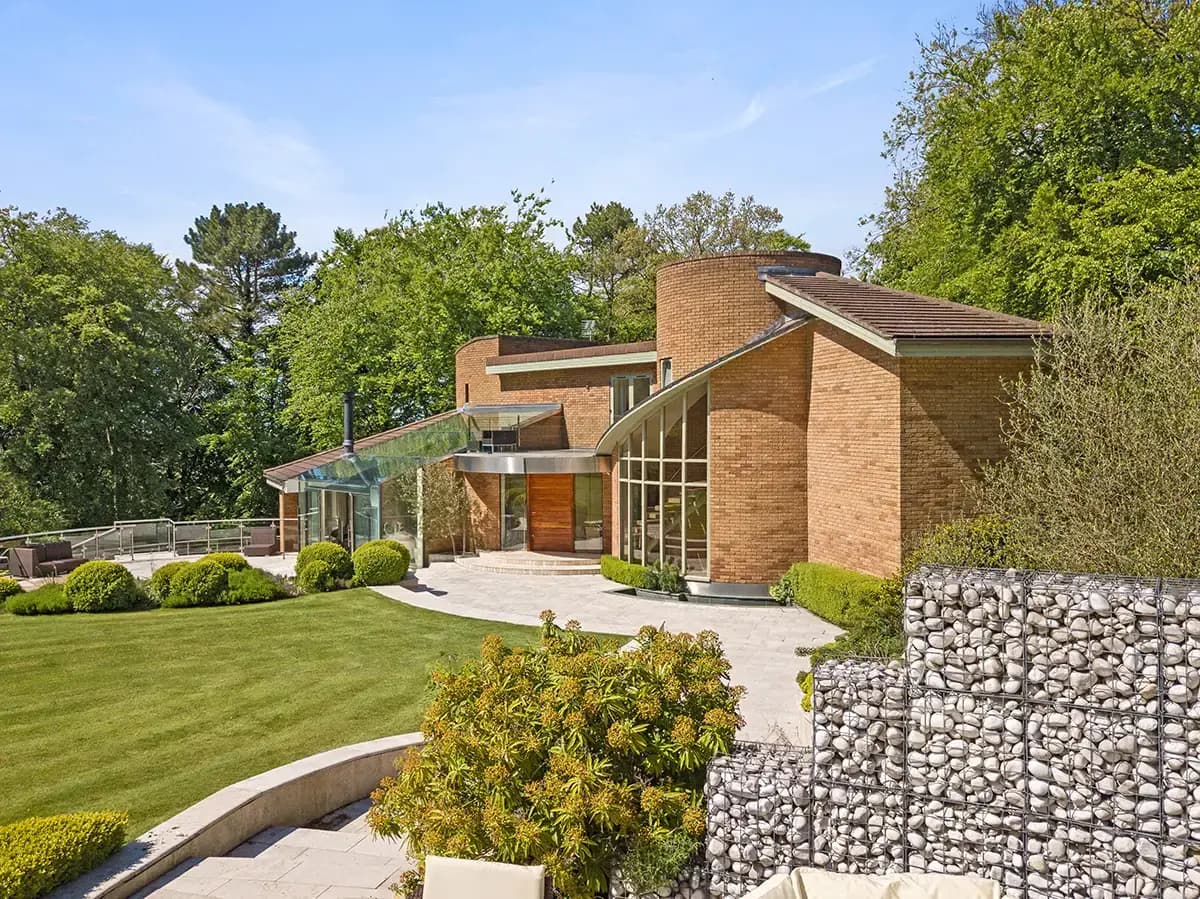
- A residential listing should include at least 10 to 15 professional photographs.
- Portal-standard aspect ratio is 4:3 (landscape) for most listing images.
- HDR editing is the industry standard for bright, balanced interior photographs.
- Images must not misrepresent the property's condition, size or features.
- Consistent editing across a portfolio builds brand trust and agency credibility.
- Combining photography with floor plans in one visit is the most efficient workflow.
Estate agent photography has become a professional discipline with established standards — not because portals demand it in every detail, but because the market does. Buyers have seen enough listings to recognise quality instantly, and they form opinions about the agent and the property together based on what they see. Setting a clear photography standard across your agency, and applying it consistently, is one of the most effective things you can do for listing performance and brand credibility.
Need professional property photography? Book a Photoplan photoshoot.
Photoplan delivers bright, HDR-edited property photography nationwide — often combined with floor plans and virtual tours in a single visit. Book online or speak to our team about agency pricing.
What good agency photography looks like
The baseline for professional estate agency photography comes down to a handful of non-negotiable qualities:
Brightness and exposure. Every room should be well-lit with balanced exposure — no blown windows, no dark corners. This almost always requires HDR editing or flash blending in post-production, because the contrast range of a typical interior scene exceeds what any camera can capture in a single shot. Dark or unevenly exposed photographs are the most common marker of substandard listing photography.
Wide-angle coverage. Interior rooms should be photographed with a calibrated wide-angle lens that shows the full space without distorting proportions. The photograph should convey how the room actually feels to be in — spacious but not exaggerated, with straight verticals and accurate proportions. Ultrawide phone lenses distort; professional lenses calibrated for property photography do not.
Composition and framing. Rooms should be shot from the corner or doorway that best represents the space. The camera height matters — typically around 120 to 150 centimetres for interiors, level and square to the room. Poor composition that crops features awkwardly or shows clutter in the foreground undermines an otherwise well-lit photograph.
Consistent editing. Every image in a listing should look like it came from the same shoot, with matching colour temperature, saturation and contrast. An inconsistently edited set — where some images are warm and others cool, some bright and others flat — signals a lack of process and undermines confidence in the overall presentation.
Image count: how many photographs does a listing need?
There is no single rule, but there are clear expectations in the UK market. A well-presented residential listing should cover:
- Exterior front, taken to show the full property and, where possible, the street setting — ideally in good light
- All principal rooms — living room, kitchen, dining room (separately if applicable), every bedroom, every bathroom and WC, utility room if present
- Outdoor space — rear garden, terrace, balcony or courtyard as applicable, plus any garage or parking
- Additional spaces — home office, study, loft room, cellar if habitable
- Key features — inglenook fireplace, period cornicing, bifold doors, new kitchen or bathroom — worth an additional close detail shot
For a standard three-bedroom semi, this typically produces 15 to 18 photographs. For a one-bedroom flat, 10 to 12 is realistic. For a five-bedroom detached property, 20 or more is reasonable.
Rightmove allows up to 100 images per listing. Very few residential listings need more than 25. More is not always better — a tight, well-chosen set of images is more effective than a large number of mediocre ones.
Aspect ratios and portal requirements
Rightmove and Zoopla both display listing photographs in landscape format, with the standard display ratio being 4:3. This is the format that fills the listing carousel correctly without letterboxing or cropping.
Uploading images in non-standard ratios — particularly portrait (tall) images — results in either cropping or white bars around the image, both of which look unprofessional in the listing carousel. Exterior photographs occasionally benefit from a wider crop (16:9), but within a listing this can look inconsistent against the standard-format interiors.
Photoplan delivers all listing images in the correct format for portal upload. Images are delivered as full-resolution JPEGs at 4:3 ratio, edited and ready to use without additional cropping or resizing.
Editing standards: HDR, colour and consistency
The editing stage of property photography is where most of the technical quality is determined. Raw images from even the best camera need careful processing before they are fit for a listing.
The industry standard is HDR editing — combining multiple exposures of the same composition to produce a final image where both the dark interior spaces and the bright window views are correctly exposed and visible. Done well, this produces the characteristic bright, airy feel of a professional property photograph. Done badly, it produces the artificial-looking, over-processed images that buyers find off-putting.
Colour accuracy is also important. Interior lighting — particularly warm artificial light — can cast yellow or orange tints that make rooms look dated or uninviting. Professional editing corrects white balance to produce neutral, accurate colours. Blues should be blue, whites should be white, and the overall palette should represent the property as it actually looks in daylight.
See our guide on HDR vs flambient photography for a detailed comparison of the two main editing approaches used by professional property photographers.
Compliance: what you cannot show in listing photographs
The legal framework for property marketing in England and Wales requires that listing materials — including photographs — do not mislead consumers. This is governed primarily by the Consumer Protection from Unfair Trading Regulations 2008 and updated guidance from the National Trading Standards Estate and Letting Agents Team.
In practical terms, this means:
- Photographs must represent the actual property. Using a photograph of a different, more attractive property is obviously prohibited, but so is digitally altering a photograph to remove structural defects, staining, damp patches or other material features.
- Room sizes cannot be misrepresented. Using extreme wide-angle lenses to make rooms appear significantly larger than they are may constitute misleading marketing. Professional photographers calibrate their lenses to avoid distorting room proportions.
- Virtual staging must be disclosed. Adding digital furniture to images of empty rooms is widely accepted and legal, but must be clearly labelled as "virtually staged" or "computer-generated image" so buyers understand the room is unfurnished.
- Omissions can be misleading too. Consistently photographing a property from angles that hide a significant defect — a structural crack, a neighbouring building directly outside a window — may be considered misleading by omission.
The practical risk for agents is reputational as much as legal. A buyer who arrives at a viewing and finds the property materially different from the photographs is a buyer who complains, withdraws and tells others. Accurate, honest photography protects everyone.
Building a consistent photography workflow
Consistency across a portfolio requires a process, not just good intentions. Agents who achieve consistently high photography standards typically:
Book photography as part of the listing process, not as an afterthought. Waiting until a listing is about to go live to book a photographer creates rushed shoots in poor conditions. Booking photography at instruction means it can be scheduled for the right conditions, with the property properly prepared.
Brief vendors before the shoot. A prepared property photographs much better than an unprepared one. Photoplan sends vendors a preparation guide before every shoot, covering decluttering, lighting, tidying and external preparation. A well-prepared property takes less time to photograph and produces better results.
Combine photography with floor plans in a single visit. Booking a combined professional photography and floor plan survey appointment means both assets are available at the same time, the vendor is only inconvenienced once and the listing can go live complete. For leasehold properties, a Land Registry-compliant lease plan can be added to the same appointment.
Apply a standard image order to every listing. The sequence in which images appear in a listing affects how buyers read it. Exterior first, then the main living space, then kitchen, then the rest of the property in logical order. The final images can include outdoor space, storage and any additional features. Keeping this sequence consistent across your portfolio makes your listings immediately recognisable and easy to navigate.
Review deliveries against your standard. If you commission photography and the images do not meet your standard, send them back. Reputable photographers — including Photoplan — will rectify issues as a matter of course. Accepting substandard images because it is convenient undermines the standard you are trying to maintain.
Why photography standards matter for brand
Every listing an agent publishes reflects on their brand. A portfolio of consistently well-photographed properties tells a story: this agency is professional, thorough and takes presentation seriously. That story reaches vendors who are choosing which agent to appoint, buyers who are deciding which agent to trust and the broader community who see the agency's listings in their daily online browsing.
Inconsistency tells the opposite story. An agency whose listings vary dramatically in photography quality — because some branches or some properties get professional photography and others do not — looks like an agency without standards. That inconsistency is visible to anyone who looks at the portfolio.
For more on how photography fits into the broader case for professional property presentation, see our guide on why professional property photography matters and browse all Photoplan guides.
The bottom line
Estate agent photography standards are not arbitrary. They exist because buyers have developed clear expectations of what a professional listing looks like, and because the legal framework requires that listings do not mislead. Meeting those standards consistently — through professional photography, correct aspect ratios, proper HDR editing and an honest representation of the property — is the baseline for a well-run listing operation. Agents who exceed that baseline and maintain those standards across every property and every branch build the kind of brand reputation that wins more instructions and retains more clients.
Need professional property photography? Book a Photoplan photoshoot.
Photoplan delivers bright, HDR-edited property photography nationwide — often combined with floor plans and virtual tours in a single visit. Book online or speak to our team about agency pricing.
Frequently Asked Questions

The Photoplan Team
Property Media Specialists
The Photoplan team produces property photography, floor plans, tours, video and CGI that help estate agents, developers and commercial clients market property beautifully.
Need professional property photography? Book a Photoplan photoshoot.
Photoplan delivers bright, HDR-edited property photography nationwide — often combined with floor plans and virtual tours in a single visit.
Estate agents book through the app · One-off customers order in the shop · or contact us
Related Articles
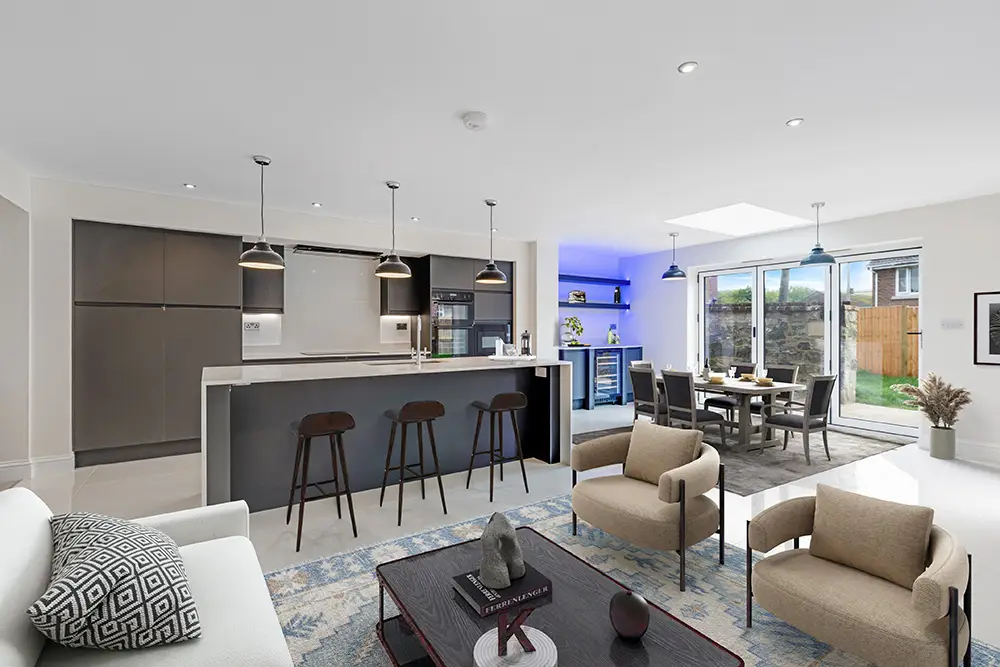
AI Image Enhancement Explained — HDR Photo, PhotoEdit and PhotoClear
HDR Photo, PhotoEdit and PhotoClear are three AI-powered image enhancement tools in the ReHub Studio suite. This guide explains what each one does, when to use it, how it improves listing photography, and how the three tools work together as a connected workflow for estate agents and property photographers.
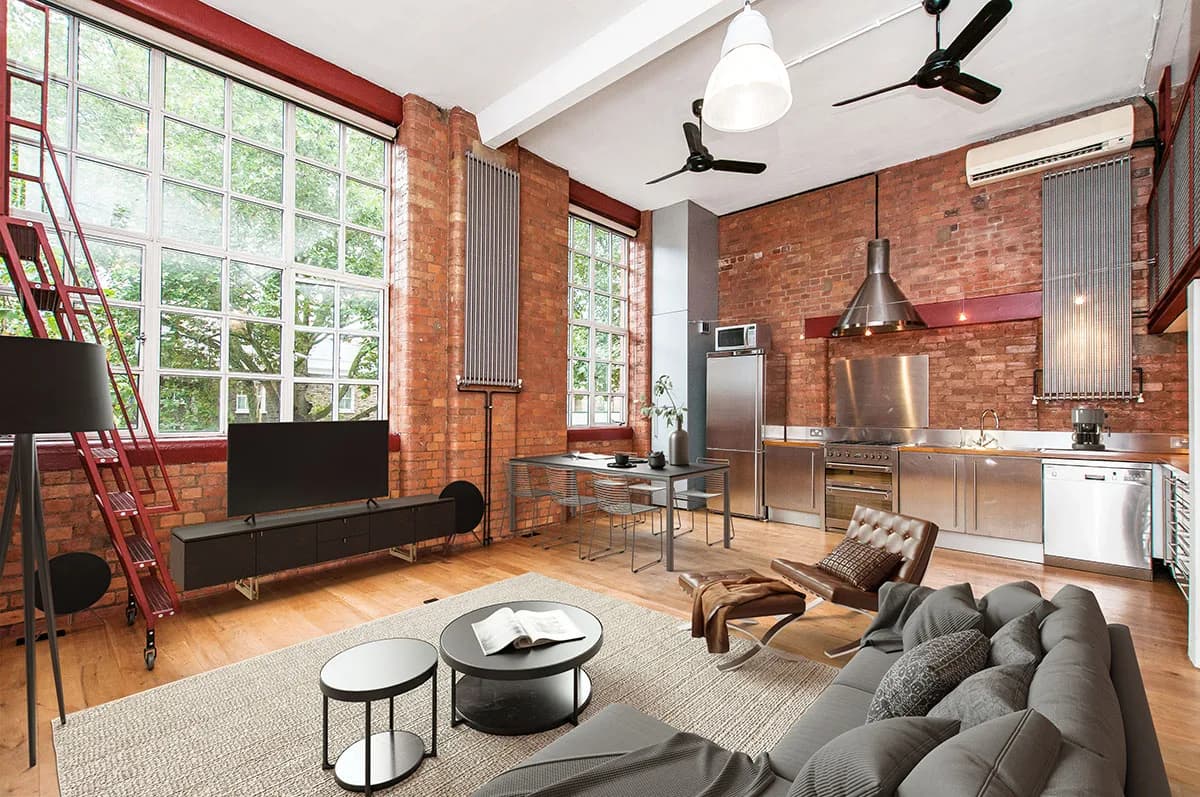
The Complete AI Property Marketing Guide — From Photoshoot to Portal
Estate agents now have access to a connected AI workflow that takes a property from photoshoot through to portal-ready listing assets in a single pipeline. This guide explains each stage — photo, declutter, stage, edit, video, twilight — and how ReHub Studio connects them.
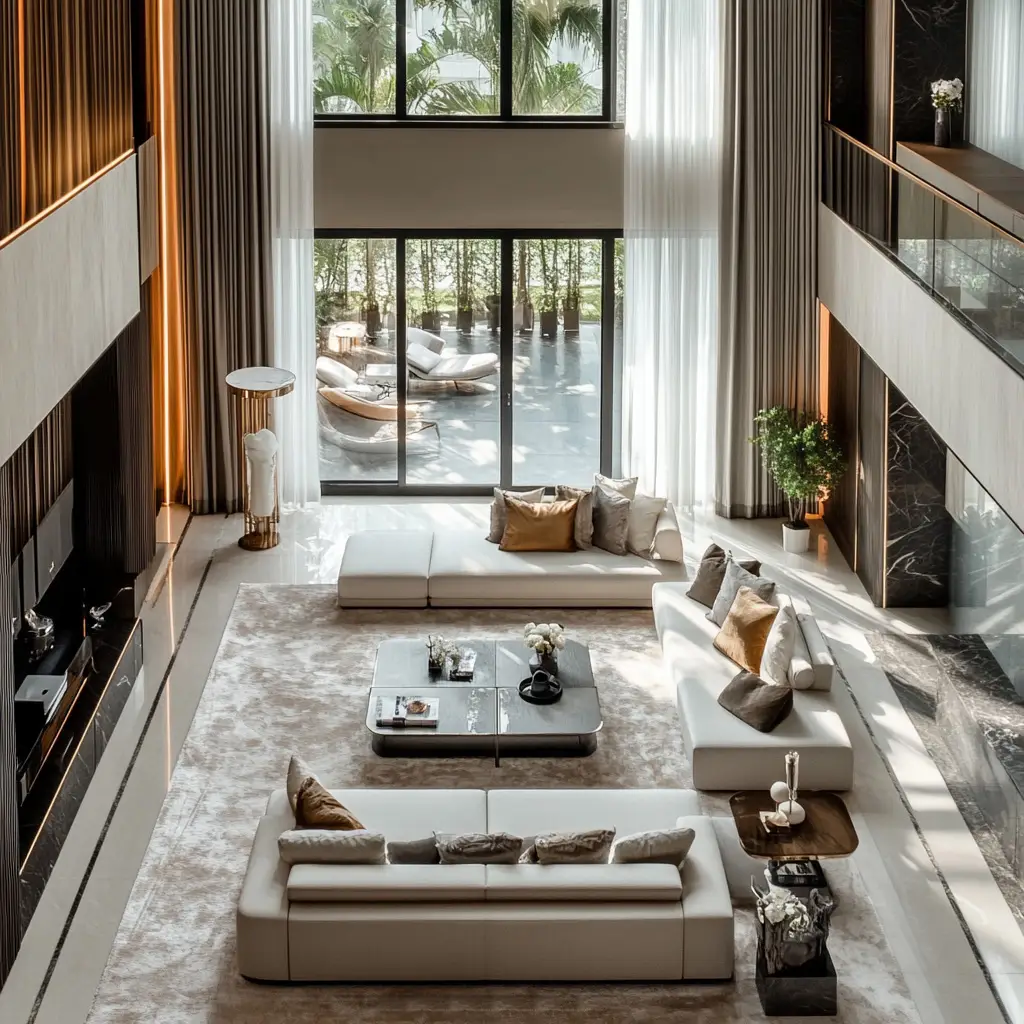
AI Property Videos Explained — How They Work and When to Use Them
AI property videos turn listing photographs into short cinematic walkthrough videos without any filming. This guide explains how the technology works, how ImageMotion compares to a traditional videographer, what portals and social media platforms support property video, and when each approach is the right choice.