
HDR vs Flambient Photography — Which is Better for Property Interiors?
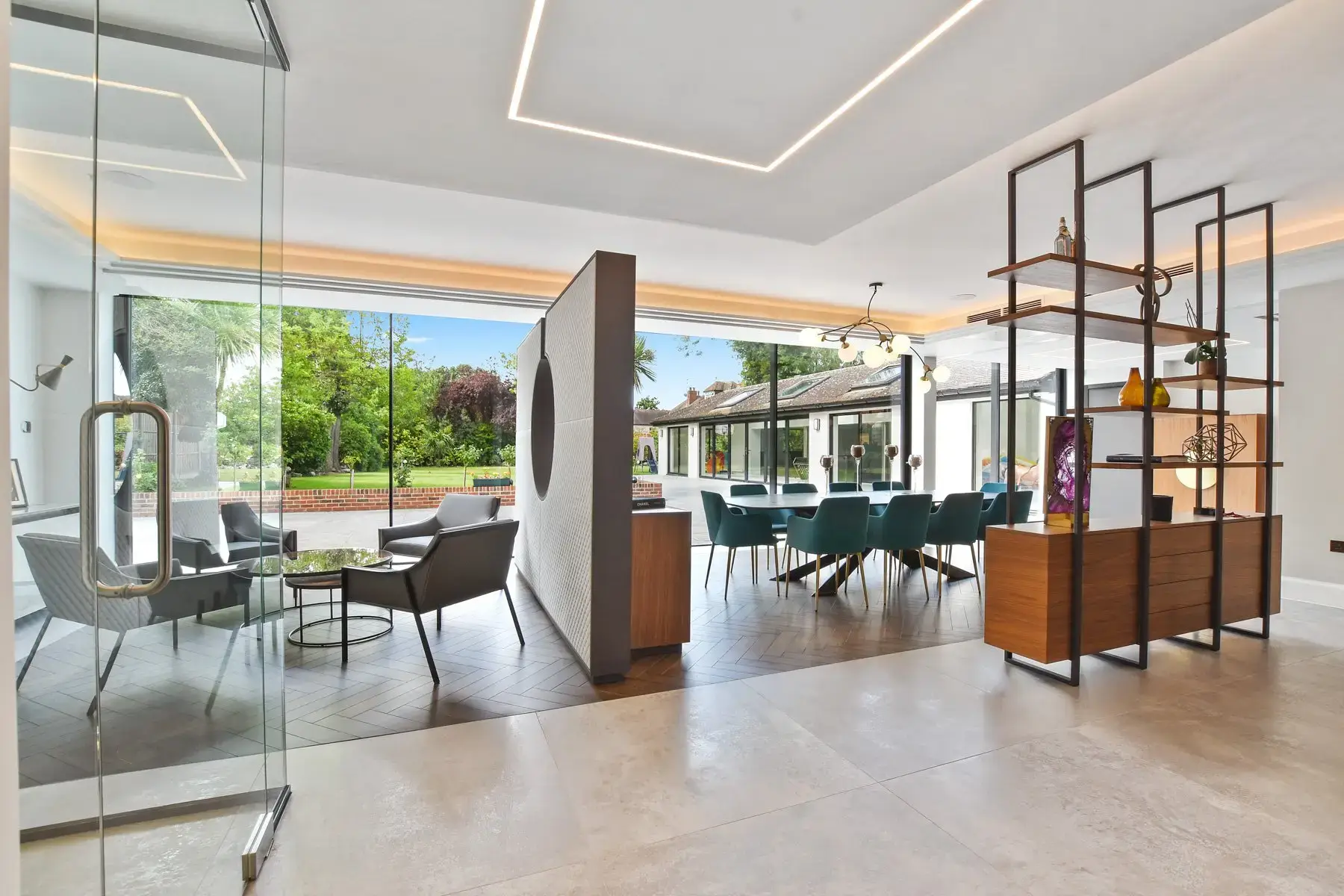
HDR and flambient are the two main techniques professional property photographers use for interiors. This guide explains how both work, when each is the right choice, and what buyers and agents should expect from professionally edited property photographs.
Key Takeaways
- HDR blends multiple exposures to resolve contrast between dark interiors and bright windows.
- Flambient combines flash and ambient exposures for a controlled, natural-looking result.
- Both techniques require professional equipment and post-production editing skill.
- Neither can be replicated reliably by a phone camera or auto-HDR mode.
- Flambient tends to look more natural in modern interiors; HDR suits some traditional and rural properties.
- Professional photographers often use elements of both depending on the room.
The interior of a property is one of the hardest subjects in photography. The human eye adapts to contrast in ways a camera cannot — we walk into a bright kitchen and see both the dark worktops and the view through the window clearly. A camera, exposed for the interior, blows out the windows. Exposed for the windows, it turns the interior to shadow. Resolving this contrast is the central technical challenge of property photography, and HDR and flambient are the two professional solutions to it.
Need professional property photography? Book a Photoplan photoshoot.
Photoplan delivers bright, HDR-edited property photography nationwide — often combined with floor plans and virtual tours in a single visit. Book online or speak to our team about agency pricing.
The fundamental problem: dynamic range
Every camera captures a limited range of tones in a single exposure — this is known as dynamic range. A bright day outside a window might be ten or more stops brighter than the interior of the room. The camera simply cannot capture both ends of that range in a single shot.
The traditional workaround was to accept the compromise: either expose for the interior and accept blown-out windows, or expose for the windows and accept a dark interior. Neither produces an image that represents how the room actually looks or feels.
Both HDR and flambient address this problem through different means: by capturing multiple exposures and combining them in post-production.
How HDR photography works
HDR stands for High Dynamic Range. In property photography, it involves capturing a series of exposures of the same composition — typically five, seven or nine frames — at different exposure values, from very dark (capturing the detail in bright window areas) to very bright (revealing detail in the darkest interior shadows).
These frames are then blended in post-production software — usually Lightroom, Photoshop or specialist tools like Aurora or Photomatix — to produce a single composite image that draws the best-exposed detail from each source frame. The shadow areas come from the brighter exposures; the window detail comes from the darker exposures.
The results, when done well, are bright, balanced interior photographs where both the room and the view through the window are clearly visible. This is the look buyers and agents associate with professionally photographed listings.
What HDR does well:
- Resolves contrast in rooms with large windows or multiple light sources
- Delivers bright, airy results quickly, particularly in rooms with consistent natural light
- Works well in properties with warm, traditional lighting where some of that warmth is desirable in the final image
- Suits exterior photographs and rooms with strong directional daylight
Where HDR can fall short:
- In rooms with mixed artificial and natural light, HDR blending can produce colour inconsistencies — warm patches where the artificial light falls and cooler areas lit by daylight
- Over-processed HDR has a characteristic artificial look — halos around edges, muddy mid-tones and an overall unrealistic quality — that is immediately recognisable and off-putting
- Rooms where flash is needed to supplement poor natural light may not respond as well to a pure HDR approach
How flambient photography works
Flambient is a compound of "flash" and "ambient" — it refers to a technique that combines one flash-lit exposure with one ambient-light exposure and blends the two in post-production.
The process involves taking the photograph twice from the same position on a tripod. The first shot uses an off-camera flash (or a carefully positioned speedlight) to light the interior evenly and cleanly — eliminating the mixed colour temperatures of artificial light and filling shadow areas without the artificial feel of on-camera flash. The second shot is taken with the flash off, allowing the ambient light — particularly the natural window light — to expose correctly without the interior being lit.
In post-production, these two exposures are blended: the flash image provides the clean, evenly lit interior, while the ambient image provides the natural window views, sky and exterior detail. The skill lies in the blending — knowing how to mask the window areas and balance the two exposures so the result looks natural rather than composited.
What flambient does well:
- Produces the most natural-looking interior photographs — rooms look bright, even and real, not processed
- Handles mixed-light rooms very well, because the flash neutralises the colour temperature of artificial light
- Window views are preserved accurately, which is particularly important for rooms with significant outlooks or period window features
- Gives the photographer precise control over the lighting of each room, regardless of the time of day or ambient conditions
Where flambient requires more:
- Takes longer to set up and shoot than HDR — flash positioning matters and needs to be adjusted for each room
- Requires more complex post-production blending, which takes additional editing time
- In rooms with very complex window arrangements, masking the ambient exposure accurately is technically demanding
When professionals use each technique
In practice, most experienced property photographers do not work exclusively in one technique. They use HDR as a fast, reliable baseline and reach for flash when a room demands it — or they use a flambient approach throughout and rely on HDR only for exteriors and simpler scenes.
HDR tends to be the primary technique for:
- Exterior photographs, where the contrast between sky and building facade is more easily resolved with exposure blending
- Rooms with strong, consistent natural light and no artificial lighting complications — a south-facing kitchen on a bright day may photograph beautifully with HDR alone
- Traditional or period properties where a warmer, more atmospheric edit suits the character of the space
- High-volume shoots where time is constrained and the rooms are straightforward
Flambient tends to be preferred for:
- Modern interiors where clean, even lighting is important — kitchens, bathrooms and contemporary living rooms photograph particularly well
- Rooms with artificial lighting that creates unflattering colour casts under HDR blending
- Properties being photographed in poor natural light conditions, where flash supplements what daylight cannot provide
- High-end or prime properties where the photography budget reflects the value of the instruction and the time investment is justified
What buyers actually expect from property photographs
Buyers do not think in terms of HDR or flambient. What they respond to is light, space and authenticity. A well-lit interior that looks the way the room actually feels — spacious, bright, accurately proportioned — is what generates the response. An over-processed or artificially lit image that looks nothing like the room on a viewing day does not.
The risk with both HDR and flambient is over-processing. Heavy-handed HDR editing produces the characteristic halo-and-muddy-tone look that buyers increasingly recognise as a red flag. Poorly executed flambient can produce flat, shadowless interiors that look like a product catalogue rather than a home.
The best professional property photography — whichever technique is used — looks like the room on a good day: bright, clean and inviting, without looking artificially enhanced.
This connects directly to the compliance point in our estate agent photography standards guide: images that materially misrepresent the property — by making rooms look significantly brighter, larger or more attractive than they actually are — can create legal exposure under consumer protection law. Professional editing should enhance the honest representation of the property, not distort it.
The role of the editing team
Even when a photographer executes the shoot perfectly, the quality of the final images depends on the editing. Professional property photography businesses maintain dedicated editing teams who process images to a consistent standard. This means:
- Every image is reviewed for correct exposure, colour balance and sharpness
- HDR blends are checked for haloing and tone-mapping artefacts
- Flambient blends are checked for consistent masking and window accuracy
- The overall set is reviewed for consistency — so the kitchen and the bedroom and the exterior all look like they came from the same professional shoot
Photoplan's images are edited by a specialist team before delivery, applying the same standard to every shoot. This is what enables consistent results across thousands of properties and hundreds of photographers nationwide.
How this fits into a complete listing package
Photography technique is one part of a complete property presentation strategy. A professionally photographed listing performs best when it also includes:
- A measured floor plan, so buyers can understand the layout that the photographs show
- A Land Registry-compliant lease plan for leasehold properties, produced in the same survey visit
- A full marketing package managed through a single, reliable supplier
For a broader view of the case for professional photography, read our guide on why professional property photography matters and our overview of estate agent photography standards. Browse all Photoplan guides for more advice on listing performance and property marketing.
The bottom line
HDR and flambient are both legitimate, professional techniques for resolving the fundamental challenge of interior property photography: dynamic range. The best photographers understand both and apply whichever approach — or combination — produces the most natural, accurate and attractive result for each room. What matters is not the technique label but the outcome: a bright, balanced, honest image of the property that buyers trust, respond to and remember. That outcome requires professional equipment, professional skill and professional editing. It cannot be approximated by a phone camera or an auto-processing app, regardless of how capable those tools have become.
Need professional property photography? Book a Photoplan photoshoot.
Photoplan delivers bright, HDR-edited property photography nationwide — often combined with floor plans and virtual tours in a single visit. Book online or speak to our team about agency pricing.
- #property photography
- #HDR photography
- #flambient photography
- #interior photography
- #estate agent marketing
- #property listings
Frequently Asked Questions

The Photoplan Team
Property Media Specialists
The Photoplan team produces property photography, floor plans, tours, video and CGI that help estate agents, developers and commercial clients market property beautifully.
Need professional property photography? Book a Photoplan photoshoot.
Photoplan delivers bright, HDR-edited property photography nationwide — often combined with floor plans and virtual tours in a single visit.
Estate agents book through the app · One-off customers order in the shop · or contact us
Related Articles
AI Image Enhancement Explained — HDR Photo, PhotoEdit and PhotoClear
HDR Photo, PhotoEdit and PhotoClear are three AI-powered image enhancement tools in the ReHub Studio suite. This guide explains what each one does, when to use it, how it improves listing photography, and how the three tools work together as a connected workflow for estate agents and property photographers.
The Complete AI Property Marketing Guide — From Photoshoot to Portal
Estate agents now have access to a connected AI workflow that takes a property from photoshoot through to portal-ready listing assets in a single pipeline. This guide explains each stage — photo, declutter, stage, edit, video, twilight — and how ReHub Studio connects them.
AI Property Videos Explained — How They Work and When to Use Them
AI property videos turn listing photographs into short cinematic walkthrough videos without any filming. This guide explains how the technology works, how ImageMotion compares to a traditional videographer, what portals and social media platforms support property video, and when each approach is the right choice.